


ClearWave Pro ™
Low Stock - Selling Fast

Order today and it ships by -
Couldn't load pickup availability
- Apple pay payment method
- American express payment method
- Master payment method
- Visa payment method
- Discover payment method
- Jcb payment method
- Unionpay payment method
- Diners-club payment method
- Google pay payment method

This product is not available on Amazon or eBay. You are purchasing directly from the only authorized seller — which means full warranty, verified authenticity, and dedicated customer support. Beware of counterfeit listings on third-party marketplaces.
How It Works
How It Works
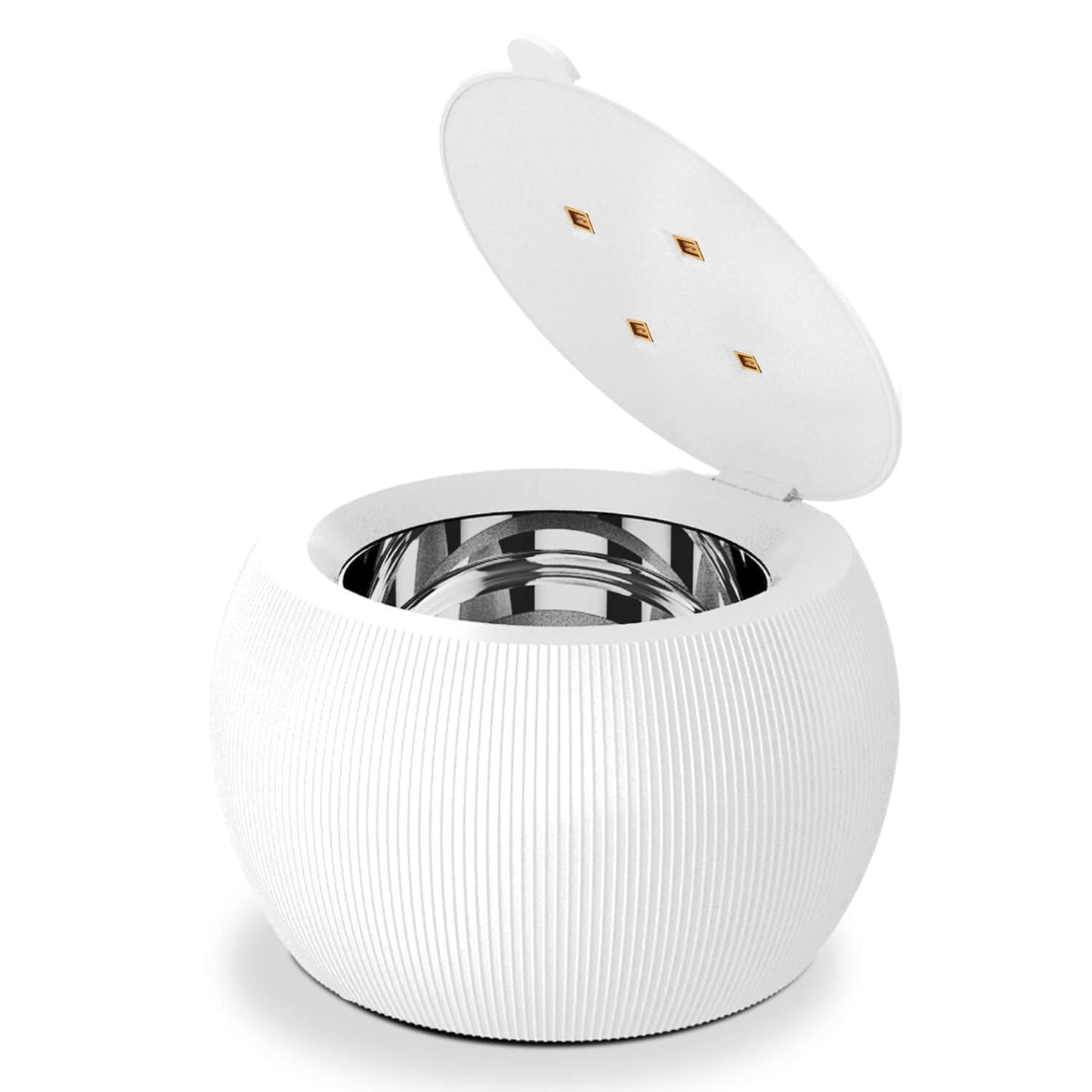
- Fill with warm water: Add plain water — or a single drop of dish soap for heavier buildup — and place your glasses, jewelry, retainer, or other small items in the chamber.
- Press start: At 46,000Hz, ClearWave Pro generates millions of microscopic bubbles that implode against every crevice, blasting loose the oils, grime, and biofilm that cloths and brushes never reach.
- Done in 5 minutes: Lift out your items, rinse, and dry. Glasses come out optician-clear; rings catch light again — no scrubbing, no chemical residue.
What's Included
What's Included
- ClearWave Pro Ultrasonic Cleaner
- Protective Packaging Box
- Easy-Start User Manual
Shipping & Returns
Shipping & Returns
We offer free shipping for all orders. Once your item/s is dispatched,
the estimated delivery time is:
- USA: 2-9 business days
- UK: 5-13 business days
- Australia: 5-13 business days
- Canada: 2-12 business days
- Europe: 5-13 business days
You have 90 days to return your product for a full refund.

ClearWave Pro




Why ClearWave Pro Outcleans Everything Else
Micro-Jets Clean Every Hidden Crevice
Microscopic bubbles implode at 46,000Hz, reaching oils inside frames, ring settings, and retainer grooves that cloths and brushes never touch.
Built to Handle Daily Use for Years
Properly bonded transducers and stainless steel tank deliver 3-6 years of daily cycles. ClearWave Pro outlasts cheap units whose glue fails fast.

Cleans Everything in One Go
Glasses, rings, retainers, earrings, and mouthguards go in together — one 5-minute cycle cleans your entire collection.
Pure Water Is All You Need
Plain warm water handles most daily cleaning — add one drop of dish soap for heavier buildup. No tablet refills or professional visits required.
What our 17,000+ Customers say
Based On Real and Honest Experiences

I was wiping my glasses every morning and just smearing oil around — nothing got clean. One cycle with ClearWave Pro pulled out gunk between the rims and frames I never knew was there. My lenses are clearer than they have been in years.


My engagement ring had been dull for months — cloths and dips never reached the buildup under the stone. Three minutes in the ClearWave Pro and it sparkled like the day I got it. Now the whole family uses it for retainers, earrings, and sunglasses.

I'd wasted money on two cheap ultrasonic cleaners — one shorted out on its third cycle when the transducer glue failed. I almost didn't try again. ClearWave Pro is built differently: six months in, it runs like day one and my glasses come out optician-clean every morning.
Frequently Asked Questions


Will it damage my glasses coatings or lenses?
Will it damage my glasses coatings or lenses?
Professional opticians use the same technology on coated lenses daily. ClearWave Pro's calibrated frequency lifts oils from frames and nose pads without touching the coating. Start with a 3-minute plain-water cycle for new items.
Will it damage my dentures or retainer?
Will it damage my dentures or retainer?
Same cavitation technology used in dental offices daily. It removes biofilm from the grooves brushing misses, without abrasion. Safe for Invisalign, night guards, and dentures — plain warm water and a 5-minute cycle is all it takes.
Do I need special cleaning solution, or can I use water or Dawn dish soap?
Do I need special cleaning solution, or can I use water or Dawn dish soap?
Plain warm water works for daily glasses and light jewelry cleaning. For heavier buildup, add a single drop of Dawn dish soap — it lowers surface tension so loosened dirt stays suspended. Avoid bleach or Tarnex on silver, which can pit the surface.
How long should I run it for glasses versus jewelry versus retainers?
How long should I run it for glasses versus jewelry versus retainers?
Glasses and light jewelry: 3 minutes in plain warm water. Retainers and dentures: 5 minutes. Heavily tarnished pieces can run a second 3-minute cycle — just let the water cool briefly between runs.
Will it damage pearls, opals, or other soft gemstones?
Will it damage pearls, opals, or other soft gemstones?
Safe for diamonds, sapphires, rubies, solid gold, and sterling silver. Avoid pearls, opals, emeralds, amber, and foiled-back or porous stones — vibration can loosen their finish. When unsure, run a 2-minute test cycle and inspect before a full run.
My cleaner doesn't seem to be doing anything — how do I know it's working?
My cleaner doesn't seem to be doing anything — how do I know it's working?
Run the foil test: drop aluminum foil in for 15 seconds — a working unit leaves dozens of pinholes. If items look unchanged, add a drop of dish soap and run a second cycle. Most stubborn buildup clears then.
How often should I change the water in the tank?
How often should I change the water in the tank?
Change the water every 2-3 cycles or when it looks cloudy. Particles stay suspended after cleaning — reusing dirty water reduces power and re-deposits grime. Fresh water each morning keeps results consistent.
Can I clean my watch or watch bands in it?
Can I clean my watch or watch bands in it?
Metal bands and solid stainless or gold cases are safe for a 3-minute plain-water cycle. Skip leather or rubber straps — cavitation can crack them. Avoid watches under 5 ATM resistance or with an unscrewed crown.